Who he was
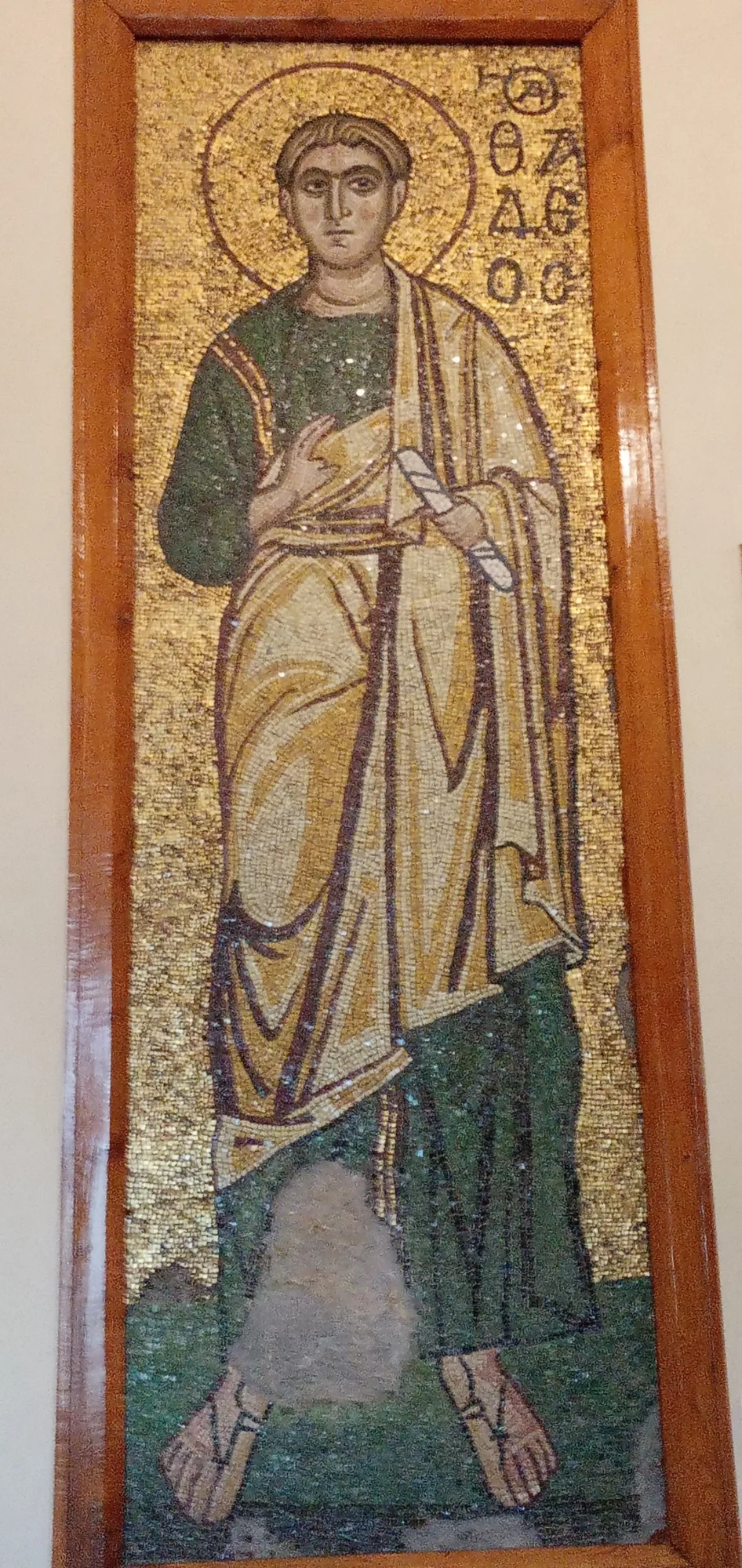
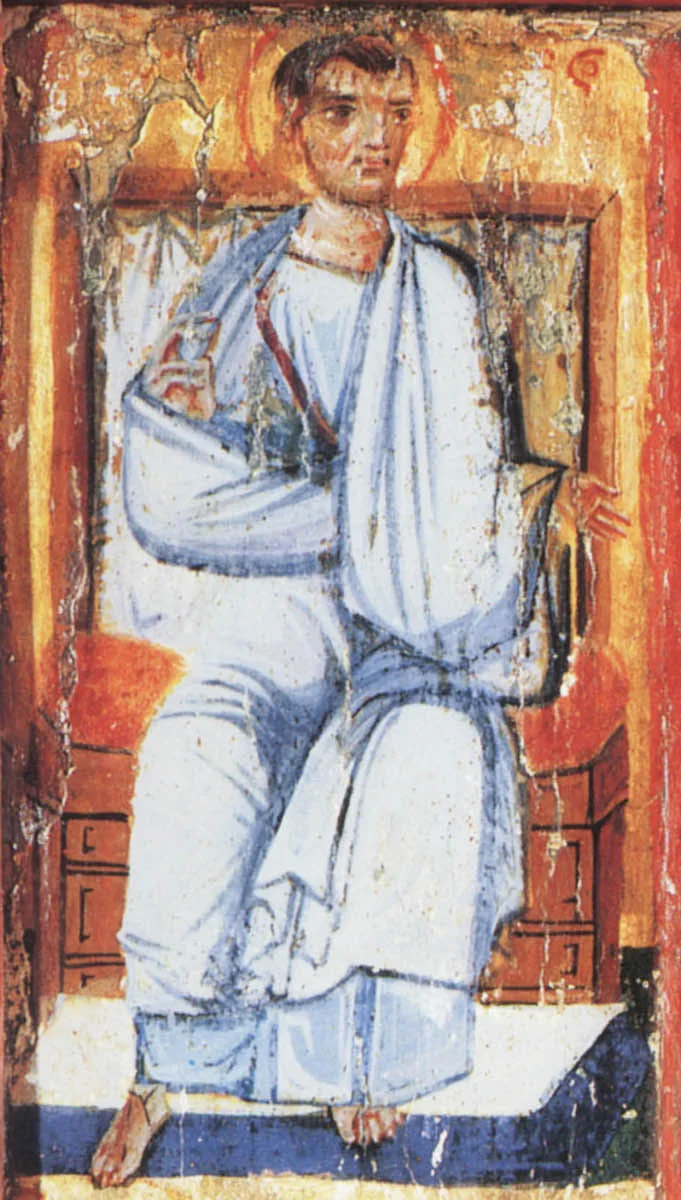
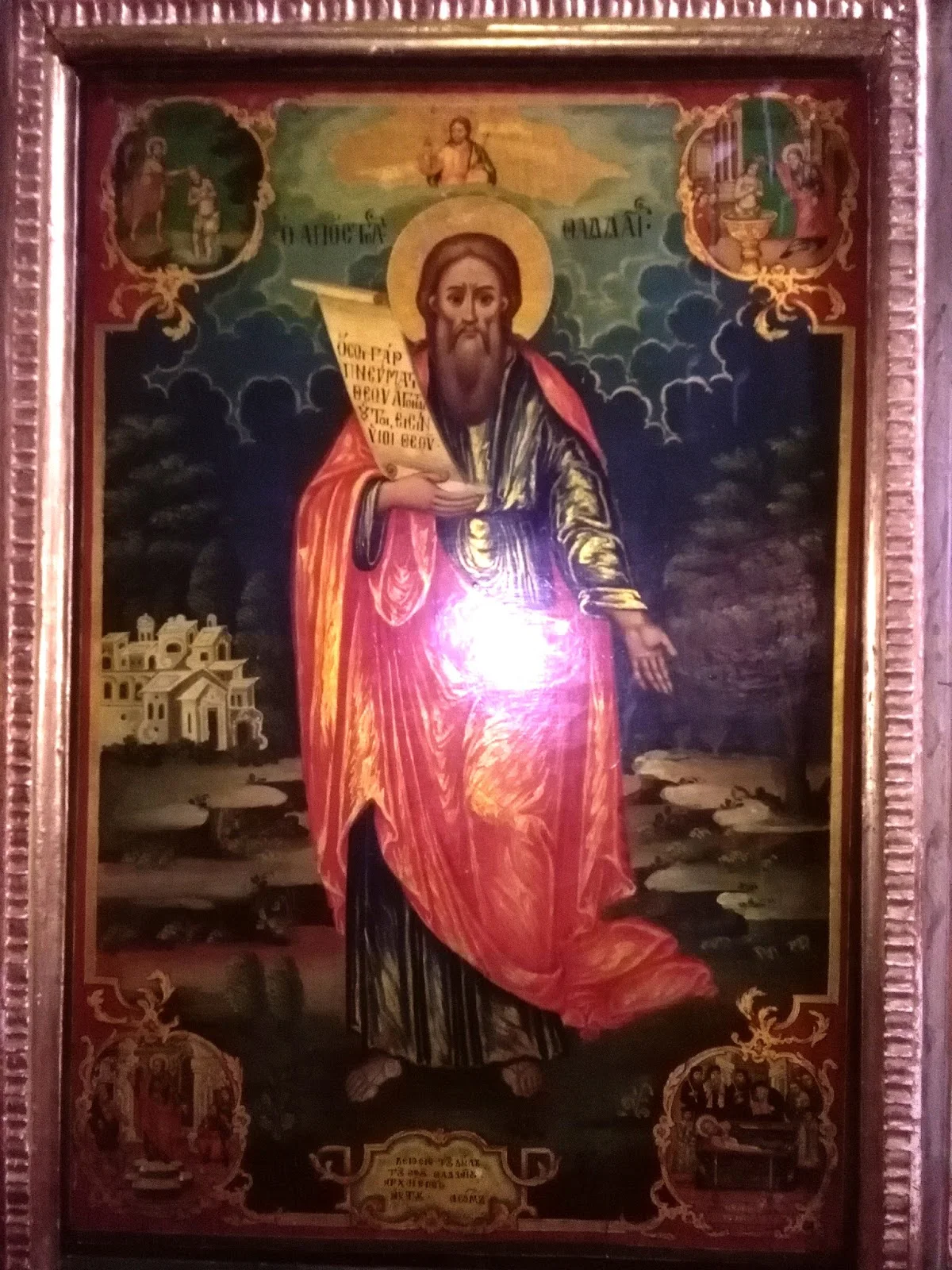
Saint Jude Thaddeus is one of the twelve apostles whom the Lord Jesus Christ called to follow Him. The Evangelists name him in different ways: Thaddeus (Mk 3:18; Mt 10:3), Lebbaeus, while Saint Luke calls him Jude of James (Lk 6:16; Acts 1:13). This is why most scholars believe he had a double name.
Ancient tradition holds that he was a relative of the Lord. The Gospel of John preserves his one and only question to Christ at the Last Supper: “Lord, why is it that You will reveal Yourself to us and not to the world?” And the Lord answered: “If anyone loves Me, he will keep My word, and My Father will love him, and We will come to him and make Our home with him” (Jn 14:22–23).
Preaching and martyrdom
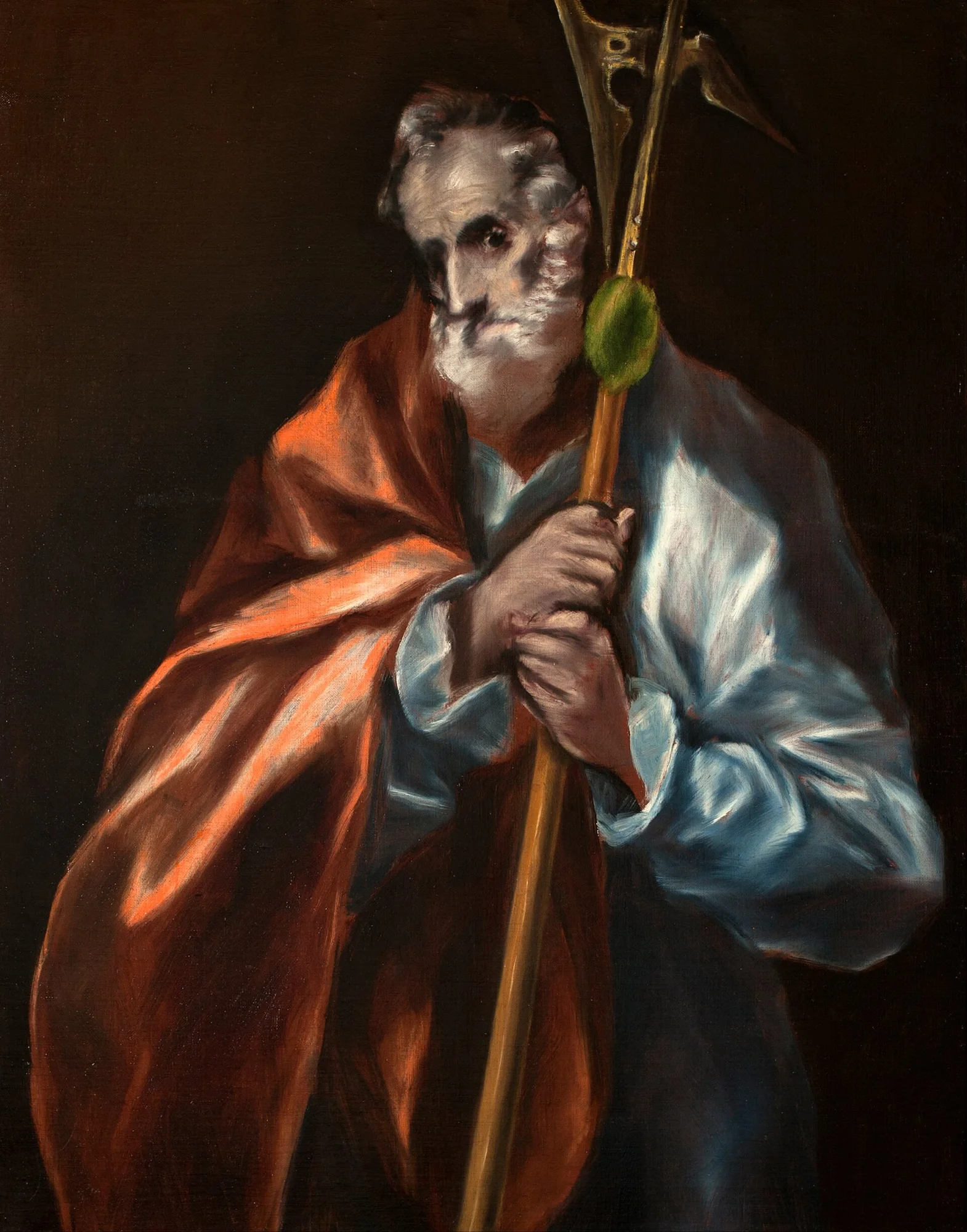
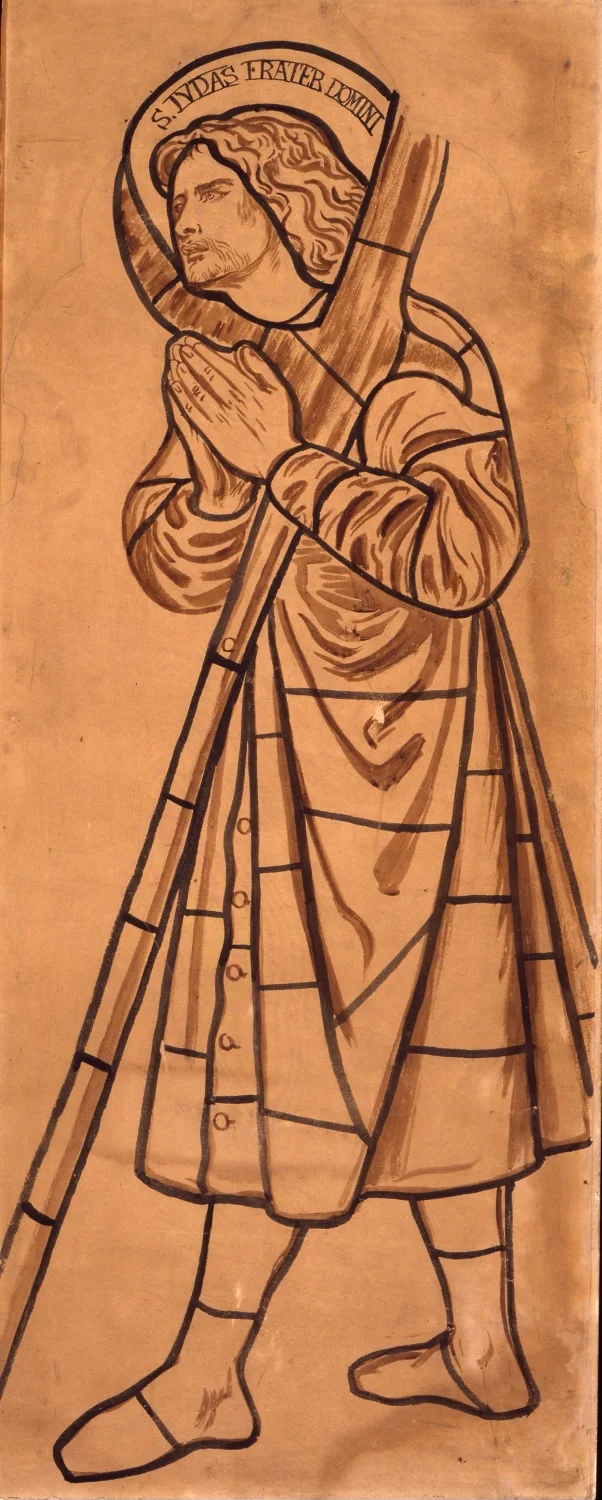
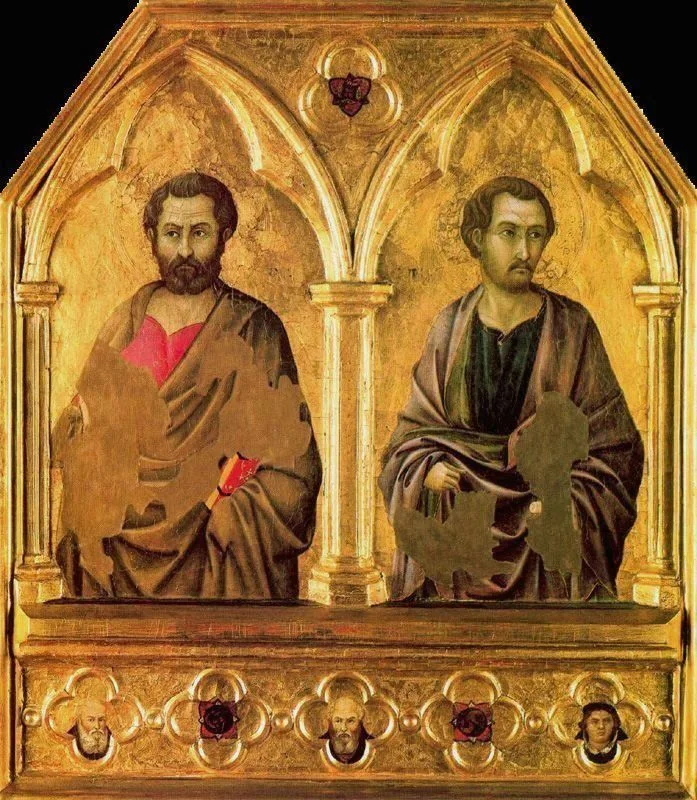
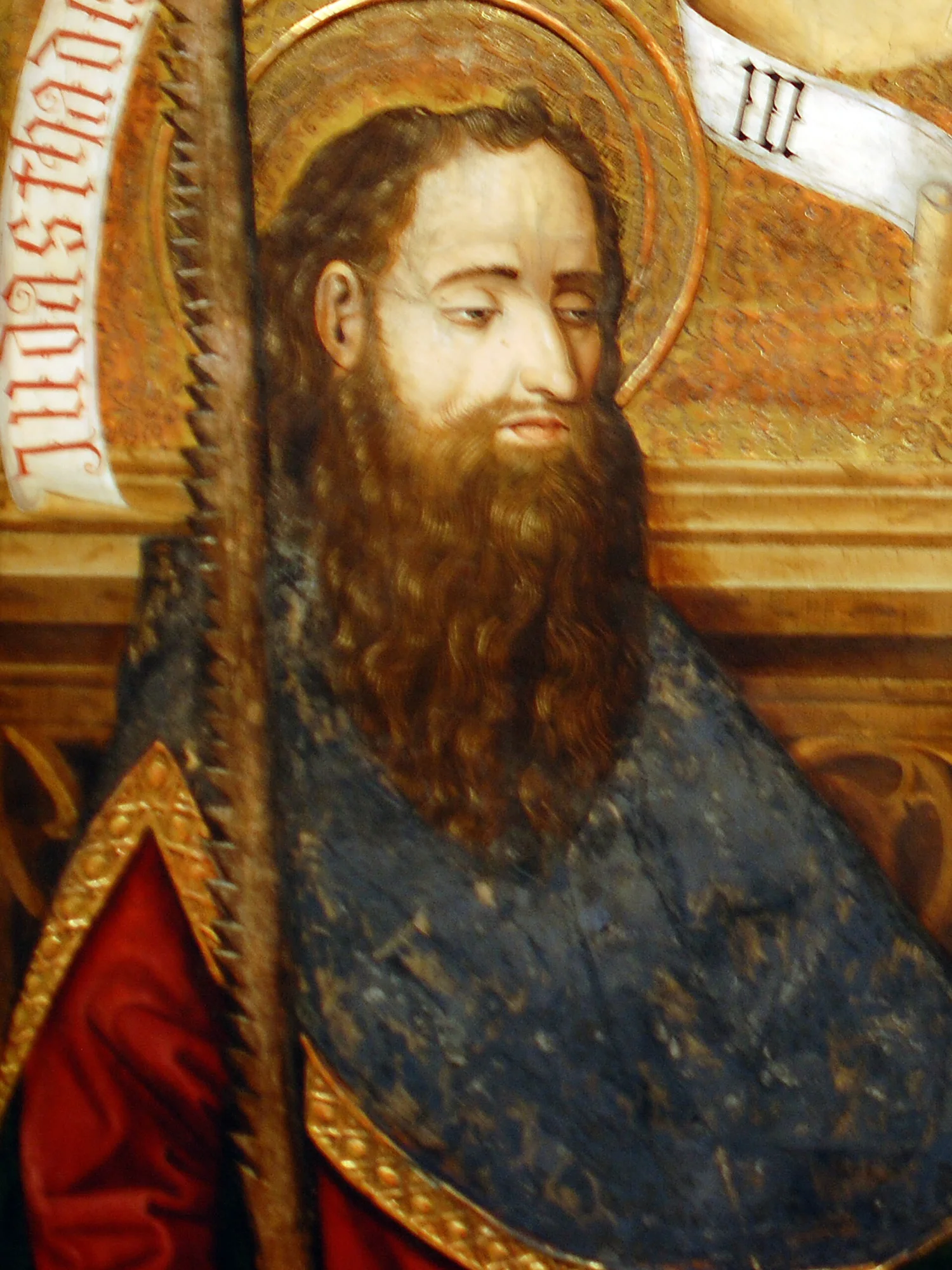
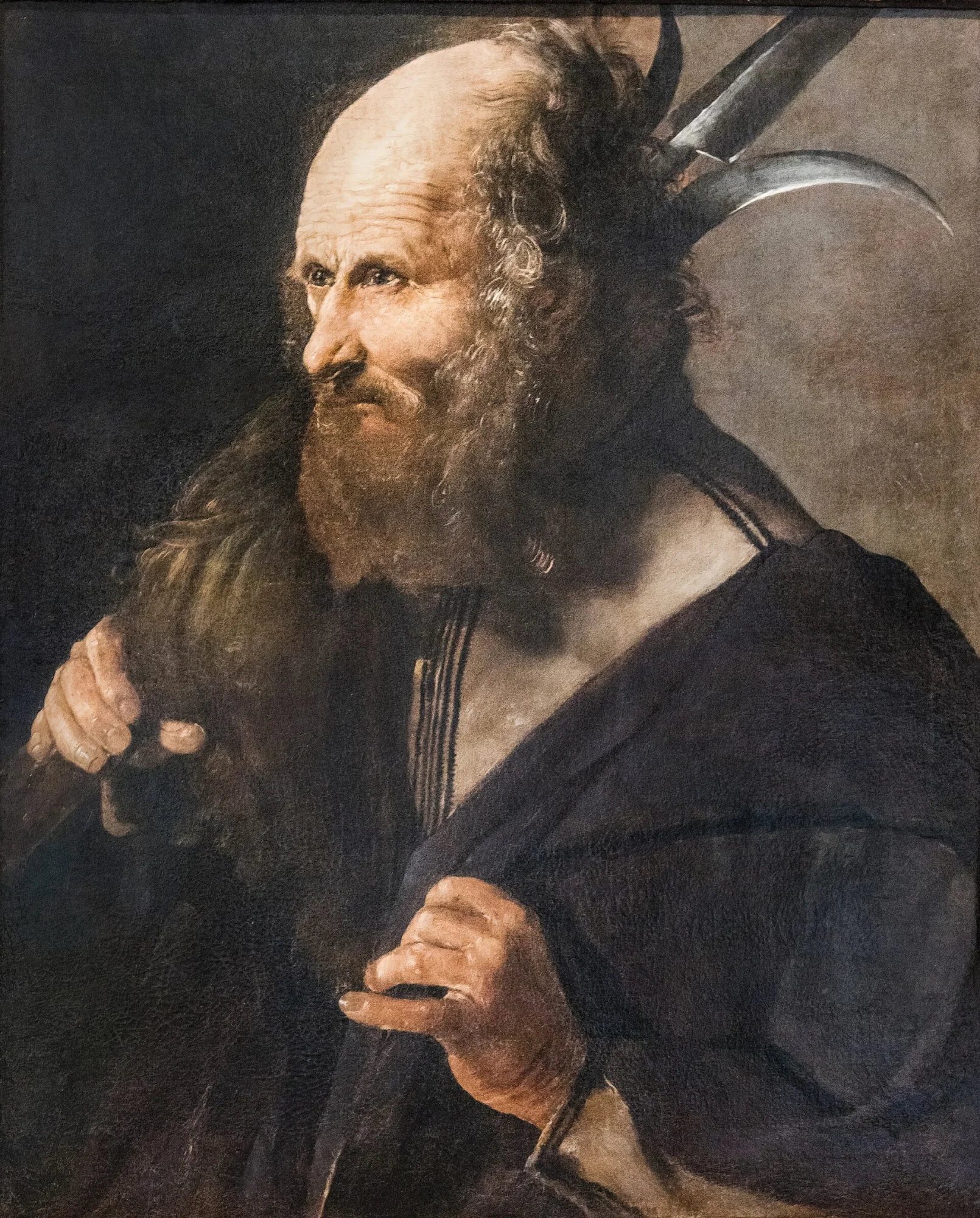
After the descent of the Holy Spirit, the Apostle Jude preached the Gospel in Judea, Samaria, Idumea, Syria and Mesopotamia. According to tradition, he laboured together with the holy Apostle Simon the Zealot in Persia, and the Armenian Church honours him as one of its first enlighteners. The Apostle died a martyr for Christ; he is most often depicted with a club, an axe or a spear, the instrument of his martyrdom.
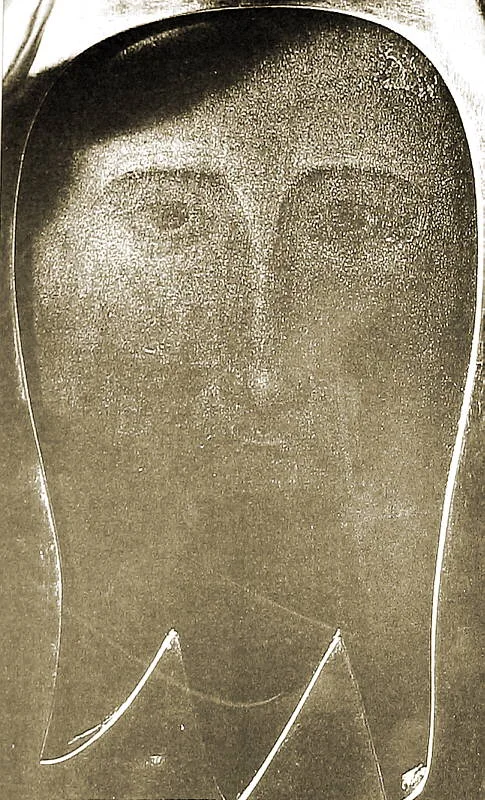
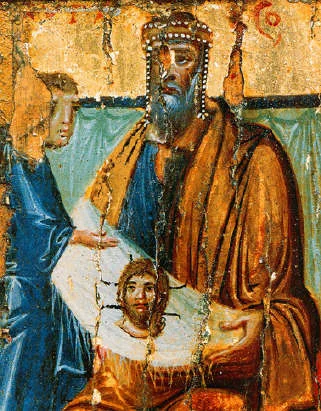
One of the best-known traditions is connected with the city of Edessa: King Abgar, gravely ill, received from Christ the Image of His Face not made by human hands, and after the Ascension the Apostle Thaddeus came to Edessa, healed the king and baptised him. That is why Saint Jude is often shown with a medallion bearing the Face of Christ.
Why he is called the patron of hopeless cases
Because his name was so similar to that of Judas Iscariot, the traitor, for centuries few people turned to the Apostle Jude Thaddeus. Pious tradition says that this is exactly why he is so willing to help those who no longer hope for anything. Saint Bridget of Sweden and Saint Bernard of Clairvaux spread devotion to Saint Jude as a “helper in the greatest difficulties”. Today people turn to him in serious illness, in situations with no way out, in hard family and financial circumstances, in grief and in loneliness.
Relics and feast day
Relics of the holy Apostle are kept in Saint Peter's Basilica in Rome (together with the relics of Saint Simon) and in other churches of Europe, including — according to tradition — St. George's Cathedral in Lviv.
The Latin Church celebrates the holy Apostles Simon and Jude on October 28. In the Byzantine tradition the memory of the holy Apostle Jude is kept on June 19 (July 2), and also on June 30 (July 13), the Synaxis of the Twelve Apostles.
“But you, beloved, building yourselves up in your most holy faith, praying in the Holy Spirit, keep yourselves in the love of God, waiting for the mercy of our Lord Jesus Christ unto eternal life” (Jude 20–21).